Inside the Ibogaine Clinics: Ambio and Beond
Two Mexican providers now anchor the clinical ibogaine world. What their protocols look like, what the Nature Medicine data showed, and where the cardiac risk actually sits.
Ibogaine is Schedule I in the United States, which means the clinical world for it exists elsewhere. In practice that world is now concentrated in Mexico, and two providers dominate the serious end of it: Ambio Life Sciences, with facilities in Tijuana and Cancún, and Beond Ibogaine in Cancún.
The model of care
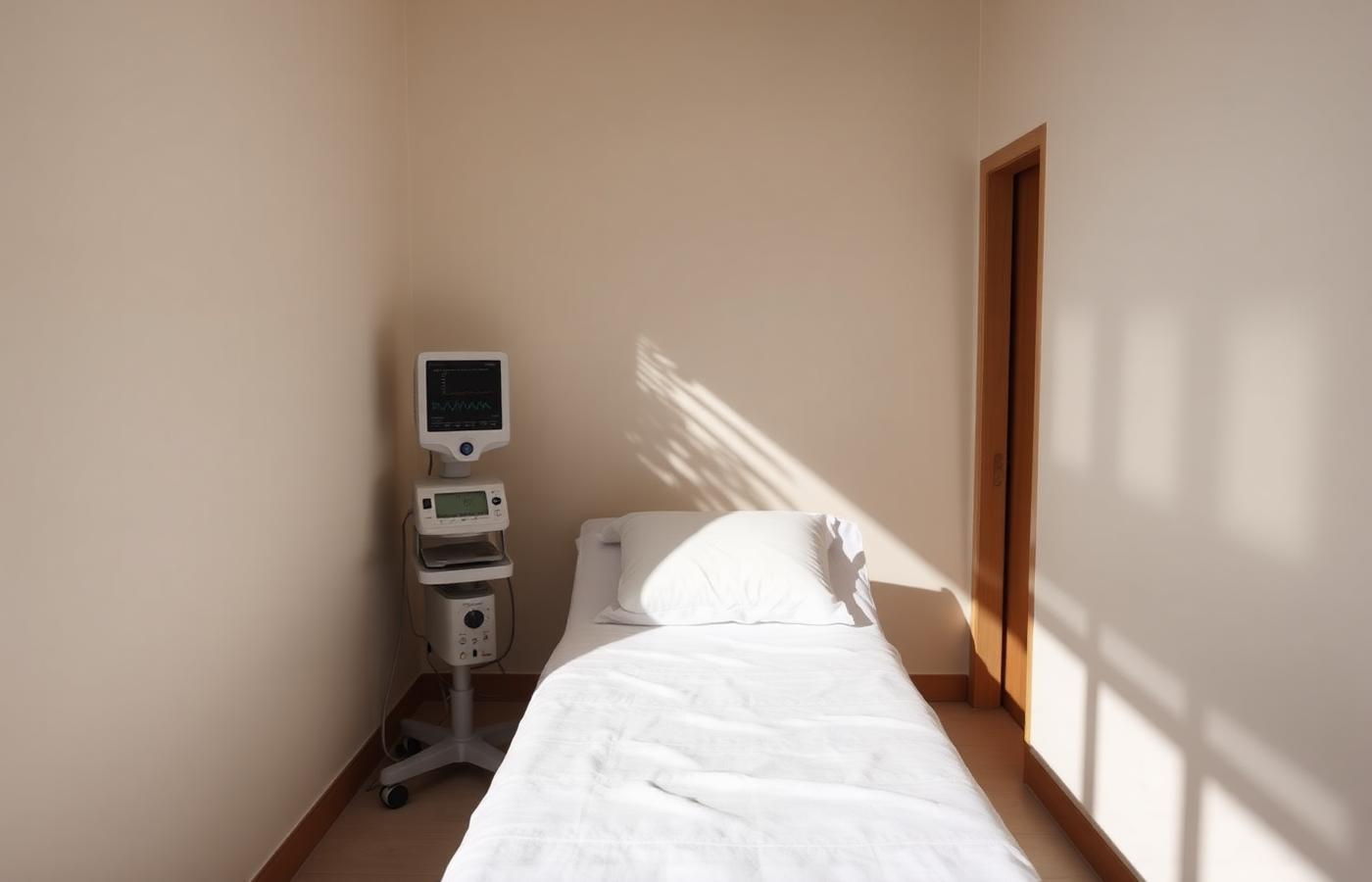
Both operate as inpatient programmes rather than retreats. The published protocols involve cardiology screening and ECG before dosing, continuous telemetry through the session, magnesium administration to blunt QT prolongation, and a medical team present throughout. Programmes typically run a week or more and include preparation and integration days; costs generally fall between roughly $7,500 and $16,000.
That structure exists because of a specific danger. Ibogaine blocks the hERG potassium channel, prolonging the QT interval and creating a real risk of fatal arrhythmia. Deaths have occurred, overwhelmingly in unmonitored or informal settings. The distance between a monitored clinic and an underground session is not a matter of comfort; it is the entire safety margin.
What the Nature Medicine study found
In January 2024, Stanford's Brain Stimulation Lab published results in Nature Medicine from thirty Special Operations Forces veterans with traumatic brain injury who travelled to Ambio's Mexico facility for magnesium-supported ibogaine. At one month, the group showed large reductions in PTSD, depression, and anxiety measures, plus improvements in cognitive testing and disability scores. No serious cardiac events occurred under the monitoring protocol.
Thirty men, no control group, and a treatment they crossed a border and paid for. The effect size is remarkable. The design cannot tell us how much of it is the drug.
The study was open-label, uncontrolled, and conducted in partnership with the clinic providing treatment. Every participant knew what they had taken. Expectancy in a self-selected, self-funded cohort travelling for a last-resort intervention is not a small confound. The authors say as much.
What a reader should take from this
The signal is strong enough to justify controlled trials, and those are being planned. It is not strong enough to describe ibogaine as an established treatment. If someone is considering a clinic, the questions that matter are concrete: is there a cardiologist involved, is telemetry continuous, is magnesium part of the protocol, what is the screening for QT-prolonging medications and pre-existing cardiac disease, and what happens if something goes wrong at three in the morning.
Sources & evidence
- Cherian et al., Magnesium–ibogaine therapy in veterans with traumatic brain injuries, Nature Medicine 30:373–381 (2024)
- Stanford Medicine News Center, coverage of the ibogaine veterans study (January 2024)
- Koenig & Hilber, The anti-addiction drug ibogaine and the heart, Molecules (2015)
- Ambio Life Sciences and Beond Ibogaine, published programme and safety documentation (2025)
How we report on clinics: we rely on the clinic's own published materials, peer-reviewed literature on the therapies offered, regulatory and public records where they exist, and independent reporting. We do not visit as patients, accept payment, or receive referral fees. Where a treatment lacks randomized controlled evidence, we say so plainly. Costs and protocols change — confirm details directly with the clinic.
This article is general information, not medical advice. See our Editorial Standards.