Envita in Arizona: Personalized Cancer and Lyme Care, and the Questions It Raises
The Scottsdale clinic offers targeted low-dose chemotherapy, immune and IV protocols, and combined cancer-and-Lyme care. Patients pay out of pocket, and the published evidence is thinner than the marketing.
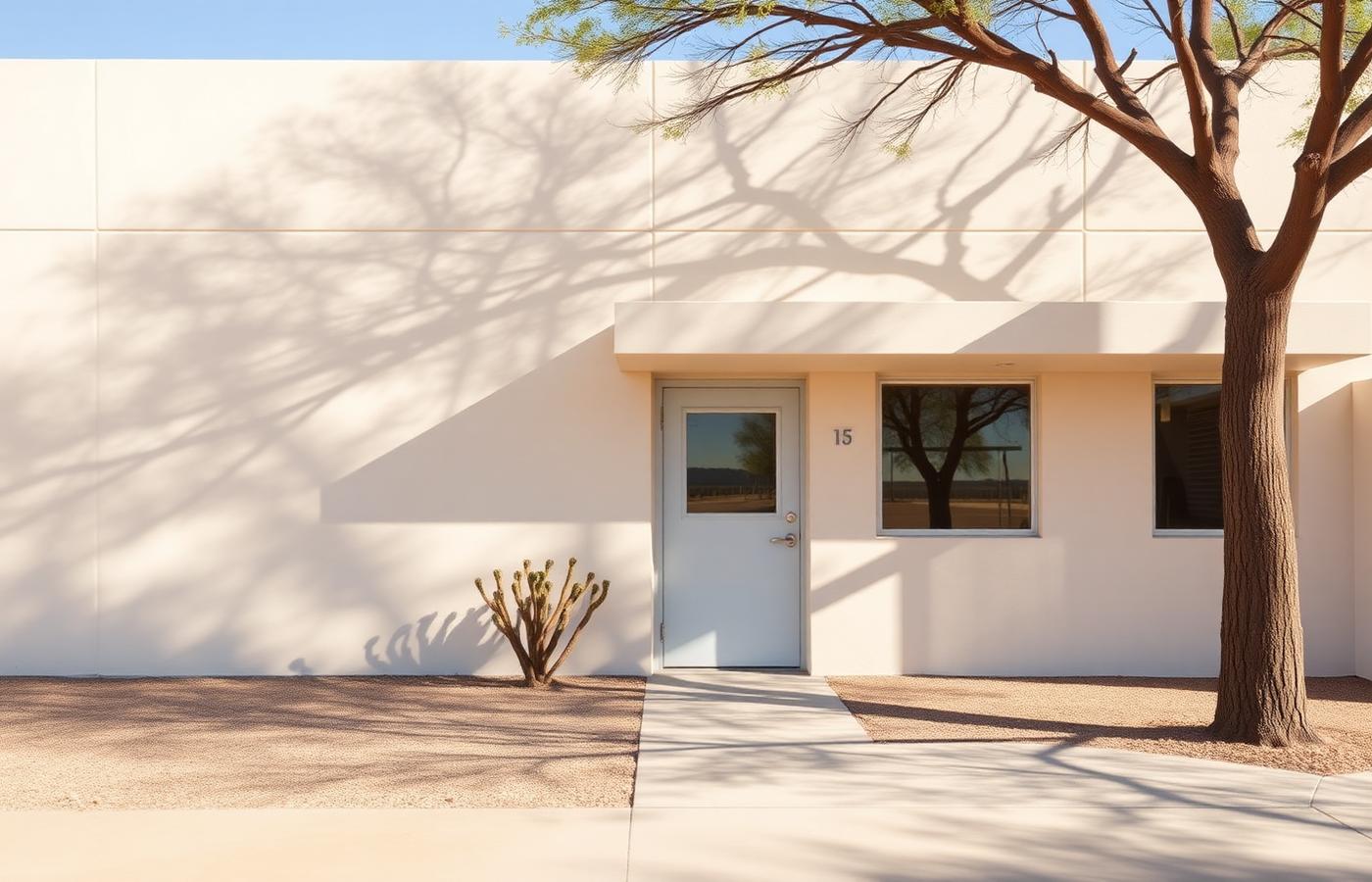
Envita Medical Centers sits in a low desert building in north Scottsdale, Arizona. Founded in 2001 by Dino Prato, a naturopathic doctor, it treats two populations that rarely share a waiting room: people with advanced or recurrent cancer, and people with chronic, treatment-resistant Lyme disease and related conditions such as fibromyalgia and chronic fatigue. The clinic's central claim is that those two groups have more in common than conventional medicine allows — that untreated chronic infection and immune dysfunction shape how cancer behaves, and that both need to be addressed together.
What the cancer protocol actually involves
Envita markets its approach under the name CIPT — Cellular Intelligent Precision Targeting. In practice it combines molecular and genomic tumour profiling with fractionated, targeted low-dose chemotherapy delivered regionally rather than systemically, alongside immunotherapy agents, hyperthermia, and intravenous nutrient and oxidative protocols. The stated rationale is that mapping a tumour's drug sensitivities and delivering smaller doses closer to the tumour bed preserves quality of life while retaining cytotoxic effect.
Each of those components has a real literature behind it in some form. Genomic tumour profiling is standard of care in several cancers. Metronomic and fractionated dosing is an active research area. Locoregional delivery, including intra-arterial chemotherapy, is established for specific indications. What has not been published is the combination as Envita delivers it: there are no peer-reviewed randomized trials of the CIPT protocol, and outcome claims rest on internally reported case series and patient testimony rather than registry data or independent replication.
The Lyme side
For chronic Lyme, Envita uses extended intravenous antibiotic combinations, treatment for suspected co-infections such as Bartonella and Babesia, biofilm-directed agents, hyperbaric oxygen, hyperthermia, immune modulation, and heavy-metal and toxin protocols. The clinic has published its own studies describing complications and comorbidities in the patients it sees, and argues that persistent symptoms reflect unresolved infection and immune injury rather than post-infectious damage alone.
This is exactly the point where the field splits. IDSA guidelines do not support prolonged antibiotic therapy for persistent post-treatment Lyme symptoms, citing four randomized trials that found no durable benefit and meaningful line-associated risk. ILADS reads the same evidence base as inconclusive rather than negative and permits individualized extended therapy. Envita operates firmly in the second camp. A reader deciding what to make of that should know it is a genuine clinical disagreement, not a settled question the clinic is ignoring — but also that the burden of proof for long-course IV antibiotics has not been met in controlled trials.
The honest description is a clinic doing plausible, individualized, expensive work in the absence of the trial data that would tell anyone whether it works better than the alternatives.
Cost, insurance, and the public record
Envita is largely out of network. Multi-week programmes routinely run into the tens of thousands of dollars, and patients commonly report paying up front with limited or partial reimbursement afterwards. Public reviews are polarized in the way that is typical of high-cost frontier clinics: a set of patients who describe outcomes they could not get elsewhere, and a set who describe large bills, disputed diagnoses, and no improvement. There is also a documented FDA warning letter in the clinic's history and malpractice litigation on the public record — facts worth reading directly rather than through either the clinic's framing or its critics'.
None of that settles whether an individual patient should go. It does establish what kind of decision it is: an expensive, largely unreimbursed bet on an unvalidated combination protocol, made in situations where conventional options are often genuinely poor.
Questions worth asking before you go
Ask for the specific drugs, doses, and delivery routes in writing before travelling. Ask what outcome data exists for your exact diagnosis and stage, and whether it has been published anywhere independent. Ask who manages complications after you fly home, and whether your oncologist or infectious disease physician will be sent records. Ask for a total cost estimate including extensions, and what happens financially if the protocol is stopped early. A clinic confident in its work will answer all five without friction.
Sources & evidence
- Envita Medical Centers, published clinic materials on CIPT and chronic Lyme protocols (accessed 2026)
- Lantos et al., 2020 IDSA/AAN/ACR clinical practice guidelines for Lyme disease, Clinical Infectious Diseases (2021)
- Klempner et al., Two controlled trials of antibiotic treatment in patients with persistent symptoms and a history of Lyme disease, NEJM (2001)
- Berende et al., Randomized trial of longer-term therapy for symptoms attributed to Lyme disease, NEJM (2016)
- US FDA, warning letter correspondence and public enforcement records concerning Envita Medical Centers
- Arizona Superior Court public filings, malpractice and ownership litigation involving Envita Medical Centers
How we report on clinics: we rely on the clinic's own published materials, peer-reviewed literature on the therapies offered, regulatory and public records where they exist, and independent reporting. We do not visit as patients, accept payment, or receive referral fees. Where a treatment lacks randomized controlled evidence, we say so plainly. Costs and protocols change — confirm details directly with the clinic.
This article is general information, not medical advice. See our Editorial Standards.